Stacking Order
Technology and the Remaking of Global Interdependence
From Flows to Stacks
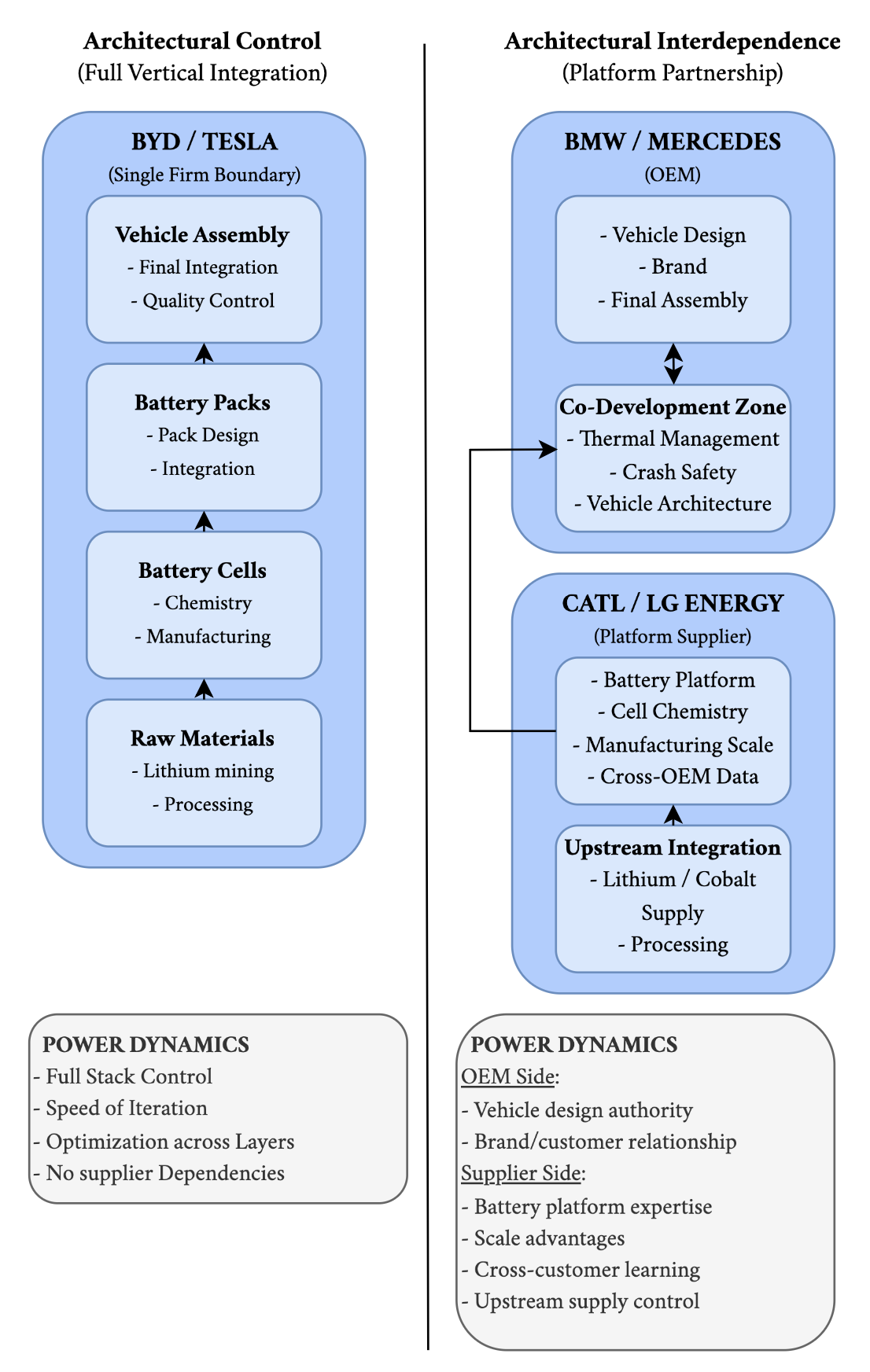
What does global interdependence look like in a multipolar world? For decades, globalization has reshaped political rule, economic arrangements, social relationships, and cultural forms. A political order backed by American centrality in commerce, finance, technology, and defense fostered an economic order where markets opened, supply chains sprawled, and governance technocratized. The breakdown of this order coincides with a time of profound economic transformation. This book argues that the origin of this shift lies not in state strategy, but in changing corporate planning routines: the complexity and capital intensity of contemporary production (AI infrastructure, clean energy systems, semiconductor fabs) has outgrown the coordination capacity of price-driven markets. These firms responded by vertically integrating supply chains, locking in standards, and building planning infrastructures that bundle physical resources, technical protocols, and industrial ecosystems into cohesive architectures of control. The walled gardens this creates serve equally well to increase profits as to enclose geopolitical space. By consequence, the grammar of geopolitical conflict revolves around which of these architectures their economies are wired into. Therefore, this book argues that the relevant political question in the 2020s isn’t market vs. state but rather which forms of non-market coordination prevail, who controls them, and whether democratic societies can govern them.
Research Focus
Rethinking interdependence in a multipolar world.
Tracing the architecture of changing supply chains.
Understanding non-market coordination and economic transformation